

Prioritizing Equity with Virtual Special Interest Clubs
Arlynda Watts, Enrichment Center Coordinator, Rocketship Nashville Northeast Elementary
I have never had a class of 32 kindergarteners cleaned up, ready, and lined up faster than when we might be late for enrichment classes. Teachers love this time because it’s our opportunity to plan, prepare for any lessons, and have one more sip of that iced coffee from the morning that is no longer iced. Students love these special classes because it’s an opportunity to change the learning environment and engage with an activity that they don’t experience every day. I mean who wouldn’t love coding in robotics or painting in visual arts?
However, the reality is that enrichment classes are always the first block that gets cut whenever something comes up. If funding is at risk, creativity is generally on the line. A national pandemic hits and the country moves to virtual teaching, and somehow specials seem to just be a memory of in-person teaching. The problem is that access to enrichment is one way that schools provide opportunities for equity to our kids.
Equal Access to High-Quality Enrichments
Enrichment classes are how we integrate content into our students’ days that they normally wouldn’t have. Affluent schools often offer music, art, science, engineering, drama, dance, foreign languages, and the list goes on. If we don’t offer these experiences to our students, will they have access to them somewhere else? Our students deserve these expanded learning opportunities, and it’s up to us to ensure they have them!
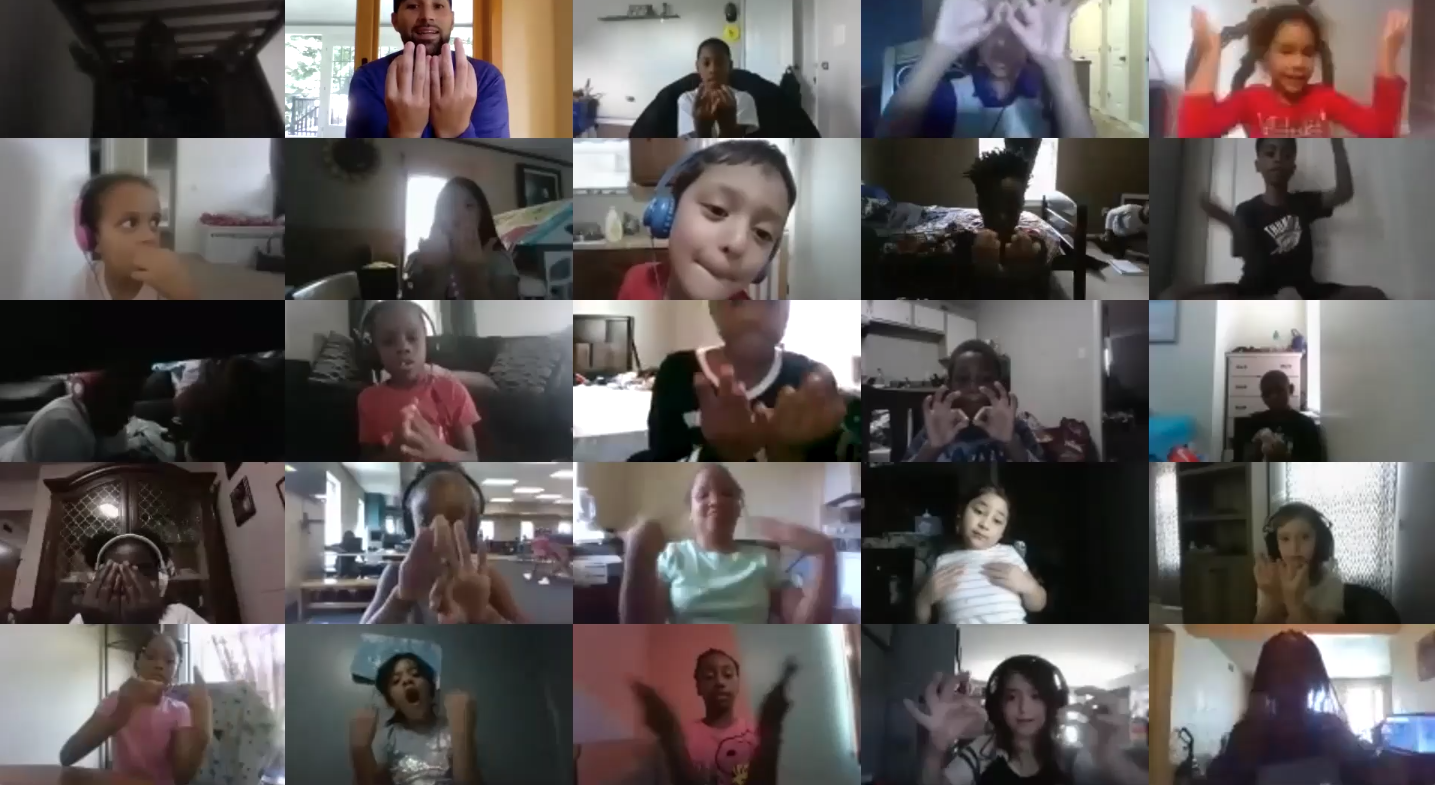
When we made the decision to go virtual this year, we turned our enrichments into what we now call Special Interest Clubs. Every day at 1 p.m. our students can log on to Zoom and join their favorite club. We currently offer Spanish, poetry, chess, yoga, American sign language, Actor’s Studio, cooking, coding, art, multimedia, science, Folklorico dancing, and line dancing! And wow, you’d be surprised how dear these clubs are to our students’ hearts.
Inside Our Clubs
In this video, you’ll see a clip from our students learning a phrase in sign language. Next up, get your goggles and lab coat ready because our very own Bill Nye, aka Ms. Watts, teaches students about electricity. You can read her reflection on her science club below and then check out the Q&A to learn how to start your own Special Interest Club.
“When you think of science you may think of space, atoms, protons, chemistry, etc. Well, science is so much more than just those scientific terms. Science can be a mode of communication by exploring and learning. Children from all backgrounds can come together and explore the world through the lens of science. Learning how the world is created, how it functions, and the beauty that it holds becomes a shared experience and all it takes is a science class! The world is a beautiful creation and science allows all learners to explore it beyond their home environment. It’s an escape from their everyday usual and opens their mind to a world of imagination and truth! So, for just an hour out of their day, kids can see the world and all it has to offer their young minds.”
How to Start Your Own Special Interest Club
So, you may be wondering – what do I need to do to make this come to life in my classroom? Ms. Watts has some answers.
Q: How do you decide what topic to choose for a club?
A: Choosing science was easy for me because I am a science teacher at my school. It’s what I love. My best advice though is to choose something that you are passionate about and that will spark interest with your students. You know your kids best, think about their interests, but don’t be afraid to break their normal with something unique. If you are stuck, think about what enrichments your school traditionally offers and start there.
Q: How much time per day or week do you allot to clubs?
A: While we designate 45 minutes, five times per week, do what is sustainable for you. Meet two or three times a week. Remember, it’s also easier to add a day down the road than take a day away. The point is to provide access to an engaging lesson or activity so think deeply about what your commitment is and go from there!
Q: Where do you get inspired for lessons for these clubs? How much time does it add to your current lesson-planning load?
A: I’m going to be honest here – this is my opportunity to conduct all the super fun and out of the box lessons that I’ve always wanted to do. We have fun with it. I look up unique activities and also pull from our school’s science curriculum. We’ve gone on virtual science trips and carried out numerous experiments. While this does take additional time to plan, we’ve found it’s the part of our day that we actually want to plan! I spend about two hours each week ensuring that I am prepared. And it’s only that long because I plan for five days a week. Just remember, you don’t have to reinvent the wheel, have fun!
Q: What advice do you have for a teacher who is already feeling overwhelmed with virtual teaching but is interested in offering something like this?
A: I get it. Virtual teaching a beast in itself. The key here is to focus on the kids. This time shouldn’t be a burden. Yes, it’s going to take some work, but let your creativity flow. The kids are going to have fun, and I promise, so will you!
Published on agosto 15, 2020
Lea más historias sobre: Sin categoría.
En el aula

3 Ways to Build Strong Parent-Teacher Connections
By Jeremiah Davis & Mrs. Aqeel, Rocketship Dream Community Prep | May 15, 2025
Ready to level up your relationships with your families this school year? Listen in for tips from an experienced teacher known for building strong bonds with parents!
Leer más ⟩
Cómo fomentar una mentalidad de crecimiento en el aula
| 10 de abril de 2025
Aprenda a cultivar la reflexión, aceptar los retos y fomentar la perseverancia en usted mismo y en sus alumnos.
Leer más ⟩
Cómo mejorar la cultura escolar
Jeremiah Davis, Paraprofesional, Rocketship Dream Community Prep | 3 de marzo de 2025
¿Listo para elevar la moral en tu colegio? Incorpore estas nueve celebraciones a su curso escolar.
Leer más ⟩
Cómo el coaching en las escuelas mejora los resultados
Escuelas Públicas de Rockesthip | Feb 4, 2025
Descubra cómo el coaching en directo y las sesiones semanales de feedback pueden ayudar a sus profesores a sentirse más respaldados durante todo el año.
Leer más ⟩
Conferencia de padres: consejos para profesores noveles
Jeremiah Davis, Paraprofesional, Rocketship Dream Community Prep | 6 de enero de 2025
¿Busca consejos para la conferencia de padres? Prepárese con los consejos de nuestros educadores.
Leer más ⟩
¿Primer año como profesor? Aquí tienes cinco errores que debes evitar.
Jeremiah Davis, Paraprofesional, Rocketship Dream Community Prep | 1 de noviembre de 2024
Descubre qué errores comete la mayoría de los profesores primerizos y cómo puedes salir adelante este curso escolar con algunos sencillos consejos de un colega educador.
Leer más ⟩
3 sistemas de aula por los que juran los nuevos profesores
Escuelas Públicas Rocketship | 30 de septiembre de 2024
Como profesor primerizo, establecer un entorno de clase fluido y productivo puede resultar un poco abrumador. Por suerte, estas sencillas estrategias pueden ayudar mucho.
Leer más ⟩
Cómo la colaboración entre profesores puede beneficiar a su clase
Presentación de Alejandra Chávez, especialista en educación de la escuela primaria Rocketship Mosaic | 10 de junio de 2024
Escuche a la Sra. Aly hablar de cómo un pequeño equipo de educadores puede marcar una gran diferencia en los resultados de los estudiantes mediante una planificación cuidadosa, una colaboración centrada y adaptaciones personalizadas. La Sra. Aly fue una de nuestras educadoras con mejores resultados en California en el curso 23-24.
Leer más ⟩
Apoyo a los padres de alumnos multilingües en las reuniones familia-profesor
Emma Volpe, Academia Rocketship United | 1 de junio de 2022
Obtenga reflexiones sobre cómo crear un entorno más integrador para las reuniones entre familias y profesores.
Leer más ⟩
5 maneras de fortalecer las relaciones en el aula
James Cross, Subdirector, Rocketship Nashville Northeast Elementary | 20 de febrero de 2022
La nueva era de la educación exige un nuevo nivel de conexión. Aquí tienes algunos consejos clave para fortalecer las relaciones en tu aula este curso escolar.
Leer más ⟩
5 formas en que los directores de centro pueden orientar y apoyar a los profesores
Eesir Kaur, Directora de Desarrollo Profesional | 15 de octubre de 2020
¿Es usted el director de un centro de enseñanza y quiere formar a sus profesores de forma más eficaz? Esto es lo que nos funciona a nosotros.
Leer más ⟩
 Español de México
  English
  Tiếng Việt