

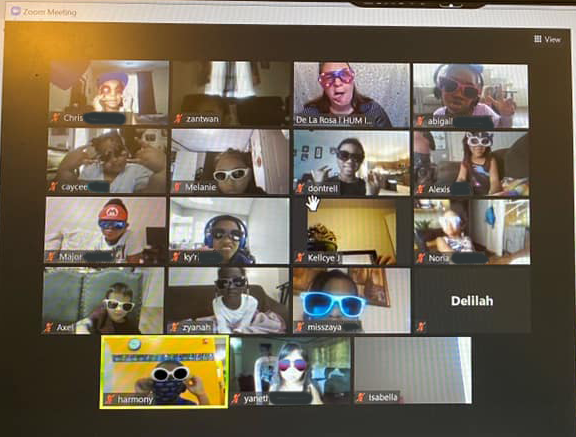
3 Ways to Build Peer-to-Peer Relationships in Virtual Classrooms
James Cross, 4th Grade Teacher, Rocketship Nashville Northeast Elementary
Let’s name the elephant in the room of virtual learning- it’s really hard for our students to establish and maintain peer relationships from behind a computer.
Allotting time for students to be social with their peers is integral to their development. Students will naturally find time during the school day to make friends and it’s important. Social interactions teach kids how to cooperate, share, and be a member of a team. Our foundations of how to read and use social cues stem from peer interactions. But how can this work when kids are miles apart from each other? I’m glad you asked!
Virtual learning calls for us to be strategic and focused on fostering student relationship building. As teachers, we have to plan for opportunities to let our students engage with each other.
Here are three parts of the day that we found to be ideal relationship-building times.
Community Meeting Chats
Nearly every elementary school classroom across the country participates in some form of morning meeting. At Rocketship, we start the day prioritizing social emotional learning, previewing what’s in store, and making sure everyone is ready to learn. Good news, this is also the best time to let your students ground their day in relationship building. Students naturally want to talk to each other and feel more comfortable in class when they know each other.
So, turn the chatbox on in the morning. Let students share out how they are feeling and what they are looking forward to. Let them respond to each other and ask questions. This is the time to let them own the conversation. Feel free to ask questions and jump in, but focus on how you can help facilitate students talking to students. I’ll be honest, this will take some time. Students need to build their confidence and the more opportunities they have, the more comfortable they will be.
Now that your students are taking full advantage of chat time, take things to the next level. Open breakout rooms and let them have an actual private space to talk. Make randomized breakout rooms of two to three students.
We like to ground their conversation in how they are feeling, what they did after school the day before, and what they are looking forward to, but let’s not limit their talk time. Sometimes this becomes a game of roulette because we will mix up the groups and let them talk to multiple partners.
I guarantee you that your students will love getting to have some unstructured talk time to check-in with each other and energize their morning.
Bonus Points: If you really want to push yourself with engaging your students in peer to peer relationships, utilize their break times. We have a natural compulsion to want to fill this time with something like music or quiet time. Instead, let them have the chance to engage with each other. Open the chat and let them share.
Let your kids come off mute and say hi to each other. This might not seem like a lot of time, but every down minute is an opportunity for students to grow their friendships.
Show-Call Student Work
I will never forget being in fourth grade and Mr. White would always circle the room. He would give us feedback, but we knew he was always mentally selecting someone’s work. By the end of our work time, he would have placed multiple examples of our work under the doc cam. We never felt prouder than when our work made it to the Smart Board. This is still a high leverage move that great teachers use. And, it is even easier to use in a virtual setting.
As students complete their work, check it over.
Find work that shows evidence of student mastery. Take a screenshot and black the students’ names out. Find some student work that isn’t quite there yet, but just needs a little feedback. Again, blackout the student’s name and show it to the class. Have the students analyze the work samples. What are the students doing well? Do they agree or disagree with their peer’s work? How can they push their peers to do even better? This is an old staple of teaching, but it works!
Show-calling student work brings your students together. They have a space to compare their own work to their peers. Students have the opportunity to feel seen by their classmates. This strategy will help your students build confidence and get used to talking about their learning with their classmates. Have a conversation beforehand about how to stay positive, constructive, and accountable.
Fun Friday Festivities
Fun times are always going to be the best time for students to build rapport with each other. We call this one Fun Friday Festivities, but this doesn’t have to be reserved for Friday only. In fact, I would say you could do something creative to end every school day! All you have to do is reserve some time at the end of class for a special activity.
One of my favorite activities is Zoom show and tell. Give students one minute to go and find something they would like to share with the class. It could be a toy, something in their room, or even their favorite pet. I’ve had students take me on a tour of their backyard or to the room dedicated to their pet bunnies. Their home is their oyster.
Once, they find what they want to show, give them each an opportunity to share it with the class. This will help students want to participate in class and feel more comfortable because they can find connections with each other.
Another great activity is a scavenger hunt. Your students take turns picking what the other kids need to go find somewhere in their house to bring back. They could search for something green or something that fits in a small space. The scavenger hunt opportunities are endless. This activity gives your students the chance to share their home with each other, while giving them time to talk and socialize with each other.
At the end of the day, we can’t expect our students to establish and build peer relationships if we don’t actually give them the time to build them. Have fun with this and let the kids talk!
Published on noviembre 1, 2020
Lea más historias sobre: Sin categoría.
En el aula

3 Ways to Build Strong Parent-Teacher Connections
By Jeremiah Davis & Mrs. Aqeel, Rocketship Dream Community Prep | May 15, 2025
Ready to level up your relationships with your families this school year? Listen in for tips from an experienced teacher known for building strong bonds with parents!
Leer más ⟩
Cómo fomentar una mentalidad de crecimiento en el aula
| 10 de abril de 2025
Aprenda a cultivar la reflexión, aceptar los retos y fomentar la perseverancia en usted mismo y en sus alumnos.
Leer más ⟩
Cómo mejorar la cultura escolar
Jeremiah Davis, Paraprofesional, Rocketship Dream Community Prep | 3 de marzo de 2025
¿Listo para elevar la moral en tu colegio? Incorpore estas nueve celebraciones a su curso escolar.
Leer más ⟩
Cómo el coaching en las escuelas mejora los resultados
Escuelas Públicas de Rockesthip | Feb 4, 2025
Descubra cómo el coaching en directo y las sesiones semanales de feedback pueden ayudar a sus profesores a sentirse más respaldados durante todo el año.
Leer más ⟩
Conferencia de padres: consejos para profesores noveles
Jeremiah Davis, Paraprofesional, Rocketship Dream Community Prep | 6 de enero de 2025
¿Busca consejos para la conferencia de padres? Prepárese con los consejos de nuestros educadores.
Leer más ⟩
¿Primer año como profesor? Aquí tienes cinco errores que debes evitar.
Jeremiah Davis, Paraprofesional, Rocketship Dream Community Prep | 1 de noviembre de 2024
Descubre qué errores comete la mayoría de los profesores primerizos y cómo puedes salir adelante este curso escolar con algunos sencillos consejos de un colega educador.
Leer más ⟩
3 sistemas de aula por los que juran los nuevos profesores
Escuelas Públicas Rocketship | 30 de septiembre de 2024
Como profesor primerizo, establecer un entorno de clase fluido y productivo puede resultar un poco abrumador. Por suerte, estas sencillas estrategias pueden ayudar mucho.
Leer más ⟩
Cómo la colaboración entre profesores puede beneficiar a su clase
Presentación de Alejandra Chávez, especialista en educación de la escuela primaria Rocketship Mosaic | 10 de junio de 2024
Escuche a la Sra. Aly hablar de cómo un pequeño equipo de educadores puede marcar una gran diferencia en los resultados de los estudiantes mediante una planificación cuidadosa, una colaboración centrada y adaptaciones personalizadas. La Sra. Aly fue una de nuestras educadoras con mejores resultados en California en el curso 23-24.
Leer más ⟩
Apoyo a los padres de alumnos multilingües en las reuniones familia-profesor
Emma Volpe, Academia Rocketship United | 1 de junio de 2022
Obtenga reflexiones sobre cómo crear un entorno más integrador para las reuniones entre familias y profesores.
Leer más ⟩
5 maneras de fortalecer las relaciones en el aula
James Cross, Subdirector, Rocketship Nashville Northeast Elementary | 20 de febrero de 2022
La nueva era de la educación exige un nuevo nivel de conexión. Aquí tienes algunos consejos clave para fortalecer las relaciones en tu aula este curso escolar.
Leer más ⟩
5 formas en que los directores de centro pueden orientar y apoyar a los profesores
Eesir Kaur, Directora de Desarrollo Profesional | 15 de octubre de 2020
¿Es usted el director de un centro de enseñanza y quiere formar a sus profesores de forma más eficaz? Esto es lo que nos funciona a nosotros.
Leer más ⟩
 Español de México
  English
  Tiếng Việt