

5 maneras de fortalecer las relaciones en el aula
James Cross, Assistant Principal, Rocketship Nashville Northeast Elementary
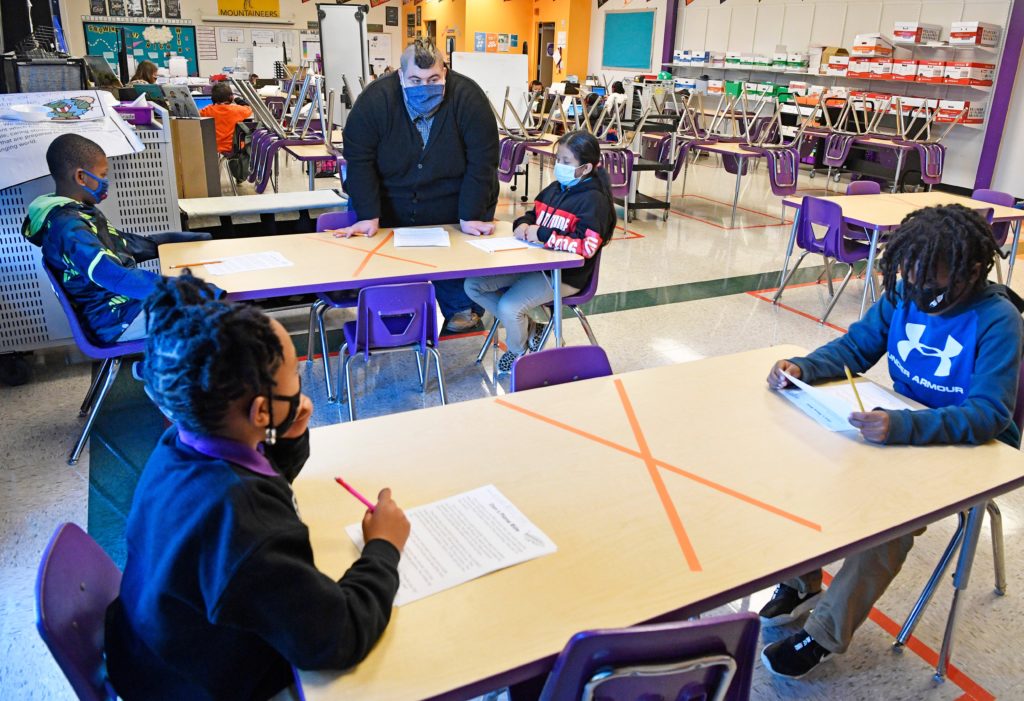
Nobody said going from virtual back to in-person learning would be easy. When the transition first began in the 20-21 school year, we wore our best masks, washed our hands a lot, kept our distance, and welcomed a large number of students back into their school. I was a fourth-grade humanities teacher at the time. We didn’t have enough teachers in the building because all staff hadn’t fully returned from distance teaching, so I ended up teaching a split group of third and fourth graders. There was unnamed stress during those initial weeks hidden behind a 14-inch shield on each desk. Part of this stress came from working with new students who were outside of my usual cohort. There was a particular third-grade student in my new combined class who I had never met. He knew nothing about me and I knew nothing about him. I was accustomed to my fourth graders. I had been their first, second, third, and now a fourth-grade teacher. My new third-grade student was not only in a new school, but with a new teacher, with new classmates, and the distanced desks and absence of carpets and colorful learning environment offered no place for comfort.
On his very first day, I had lesson after lesson planned and ready to go. I was set on dismantling the “learning loss” news headlines kept noting. He was prepared for nothing more than surviving the day. I repeatedly attempted to help him with the work but our goals for the day did not align. I eventually called on the walkie and asked my principal for support with how to proceed. In a matter of a few hours back, I had already thrown out everything I knew about the foundation of learning: establishing relationships that create ideal and safe spaces for students to learn. I texted my principal that night and declared tomorrow I’d work to restore my opportunity to build a relationship with this student because I truly missed the mark. I guess what I’m trying to say is that relationships matter. And after nearly two years of navigating quarantines and distant social dynamics, they matter now more than ever.
Below are some ways that we’ve focused on relationship building at my school this year:
1. Relationships with families are always your best opportunity to begin to establish a relationship with your students. Just because most schools aren’t letting families in the building right now doesn’t mean those relationships can’t thrive. This is the time for Zoom calls, FaceTime, text messages and phone calls, notes home, virtual family nights, and lots of contact. Start with what you normally do and find the virtual equivalent. Take time to learn more about how they are doing and what is currently happening in their lives. In order to create an academic collaboration between teacher and family, you must begin by building rapport and fostering an alliance. Start with letting families steer the conversation. The conversation will eventually lead to the academics and student performance we hold dear. Start with an icebreaker, ask about their hopes and dreams for their student, make a connection to what is happening in your city. Let families know you care by listening and then let them know you are a partner by action planning and following through.
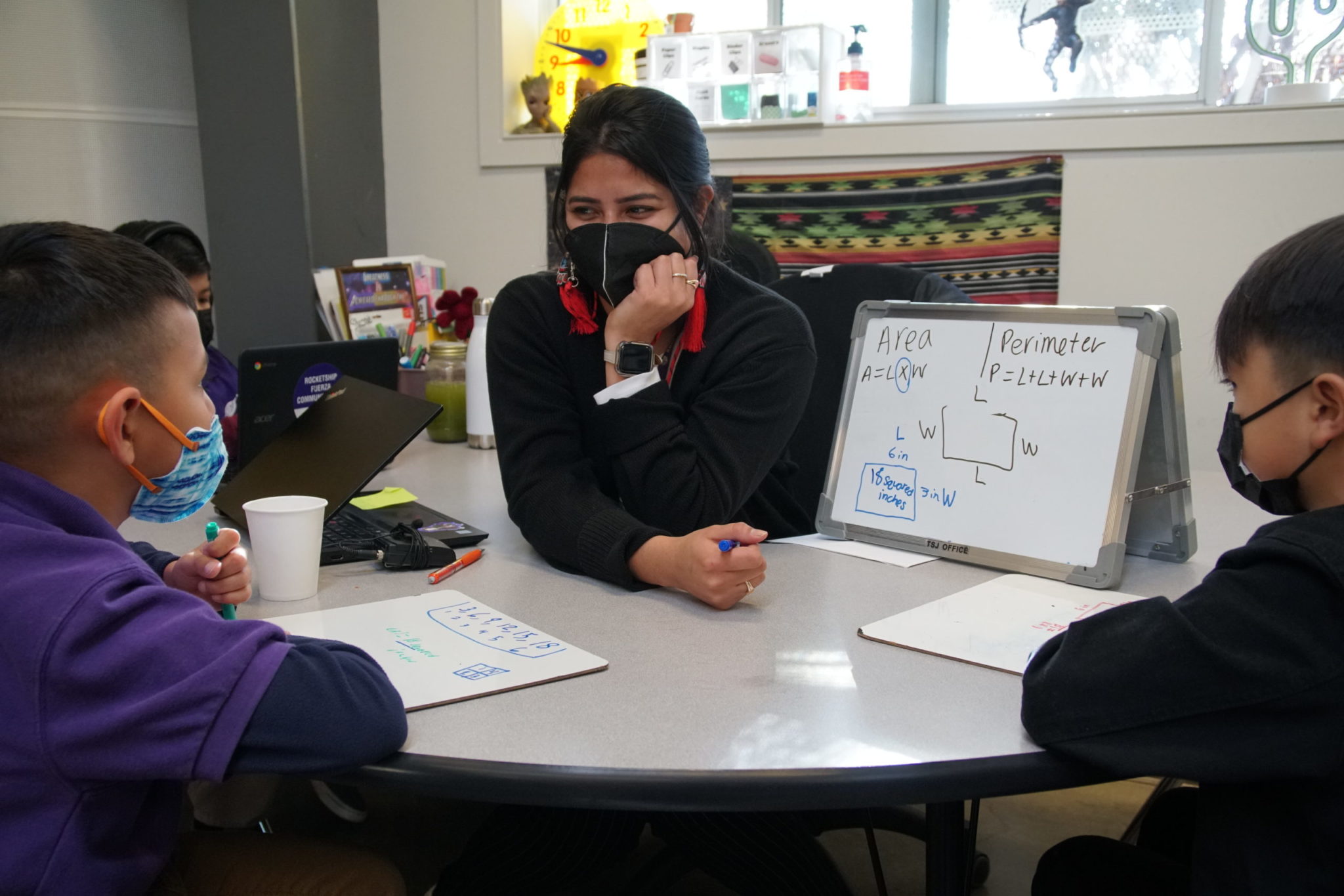
2. Listen to your students. They almost always want to share all their stories and thoughts with you. Every time you tell them this isn’t the right time and don’t follow up when it is the right time to share then you are making it clear that you aren’t the right person to share with. Be strategic with who eats breakfast at your table. Pick a few students for a lunch date. Don’t get caught up with the ease of Youtube-style brain breaks. A five-minute dance video could easily become a five-minute culture-building exercise. My personal favorite: two truths and a lie.
3. Get back to the basics! What did Maslow teach us about the human experience and our hierarchy of needs!? For students to be in a space to learn they must first have their physiological needs met, their safety needs secured, and a feeling of love and belonging (aka a positive teacher-student relationship). Greeting students at the door is a great way to check in with how they are entering your space for the day. Start the morning with a quick write where they can write about their night, how they are feeling, or what they need for the day. A morning student check-in board could be great too!
4. Invest time in your development when it comes to relationship building. This year, my school has made teacher-student relationship-building practices a priority for our professional development. Our goal for this school year is to focus on how we can make our students our social responsibility. We have examined the power of intentional conversations, creating positive academic mindsets, and the integration of culturally responsive pedagogy in order to strengthen our relationships with our students. We’ve unpacked the brain science behind relationship building and we’ve referred back to this work day after day after day. Read more about brain science aquí!
5. Relationship building starts with the relationships teachers and educators have with their leadership team. As a school leadership team, we’ve prioritized relationship building with our staff to model the power of feeling like part of a collective. We’ve built bonds and broken bread through staff dinners. Nearly every month, we have provided an opportunity for all staff members to stay after school and share a meal with each other to help build their team. We treated staff to 10 days at our very own “ski lodge.” The 10 days prior to winter break we created a daily theme centered around our ski lodge. One day we decorated the staff room as a true winter lounge. The next we provided a coffee bar, followed by breakfast, a day of raffles, a dress-down day, and lunch. On days when coverage is scarce, the school leadership team will create a plan and every teacher will get an extra break covered by their leadership team.
I wish I could say the work of an educator was easy. But educators are resilient. We have to be and I bet if you peek behind the resilience, you’ll find a stash of love forged from the power of relationship building.
Published on febrero 14, 2022
Lea más historias sobre: Experiencia docente.
En el aula

3 Ways to Build Strong Parent-Teacher Connections
By Jeremiah Davis & Mrs. Aqeel, Rocketship Dream Community Prep | May 15, 2025
Ready to level up your relationships with your families this school year? Listen in for tips from an experienced teacher known for building strong bonds with parents!
Leer más ⟩
Cómo fomentar una mentalidad de crecimiento en el aula
| 10 de abril de 2025
Aprenda a cultivar la reflexión, aceptar los retos y fomentar la perseverancia en usted mismo y en sus alumnos.
Leer más ⟩
Cómo mejorar la cultura escolar
Jeremiah Davis, Paraprofesional, Rocketship Dream Community Prep | 3 de marzo de 2025
¿Listo para elevar la moral en tu colegio? Incorpore estas nueve celebraciones a su curso escolar.
Leer más ⟩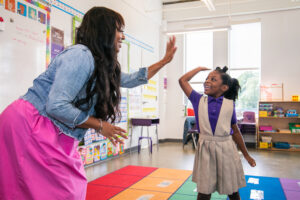
Cómo el coaching en las escuelas mejora los resultados
Escuelas Públicas de Rockesthip | Feb 4, 2025
Descubra cómo el coaching en directo y las sesiones semanales de feedback pueden ayudar a sus profesores a sentirse más respaldados durante todo el año.
Leer más ⟩
Conferencia de padres: consejos para profesores noveles
Jeremiah Davis, Paraprofesional, Rocketship Dream Community Prep | 6 de enero de 2025
¿Busca consejos para la conferencia de padres? Prepárese con los consejos de nuestros educadores.
Leer más ⟩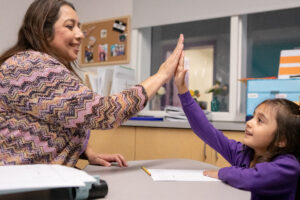
¿Primer año como profesor? Aquí tienes cinco errores que debes evitar.
Jeremiah Davis, Paraprofesional, Rocketship Dream Community Prep | 1 de noviembre de 2024
Descubre qué errores comete la mayoría de los profesores primerizos y cómo puedes salir adelante este curso escolar con algunos sencillos consejos de un colega educador.
Leer más ⟩
3 sistemas de aula por los que juran los nuevos profesores
Escuelas Públicas Rocketship | 30 de septiembre de 2024
Como profesor primerizo, establecer un entorno de clase fluido y productivo puede resultar un poco abrumador. Por suerte, estas sencillas estrategias pueden ayudar mucho.
Leer más ⟩
Cómo la colaboración entre profesores puede beneficiar a su clase
Presentación de Alejandra Chávez, especialista en educación de la escuela primaria Rocketship Mosaic | 10 de junio de 2024
Escuche a la Sra. Aly hablar de cómo un pequeño equipo de educadores puede marcar una gran diferencia en los resultados de los estudiantes mediante una planificación cuidadosa, una colaboración centrada y adaptaciones personalizadas. La Sra. Aly fue una de nuestras educadoras con mejores resultados en California en el curso 23-24.
Leer más ⟩
Apoyo a los padres de alumnos multilingües en las reuniones familia-profesor
Emma Volpe, Academia Rocketship United | 1 de junio de 2022
Obtenga reflexiones sobre cómo crear un entorno más integrador para las reuniones entre familias y profesores.
Leer más ⟩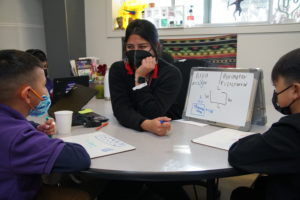
5 maneras de fortalecer las relaciones en el aula
James Cross, Subdirector, Rocketship Nashville Northeast Elementary | 20 de febrero de 2022
La nueva era de la educación exige un nuevo nivel de conexión. Aquí tienes algunos consejos clave para fortalecer las relaciones en tu aula este curso escolar.
Leer más ⟩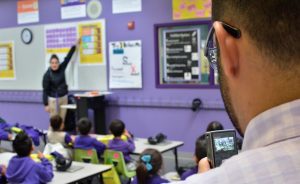
5 formas en que los directores de centro pueden orientar y apoyar a los profesores
Eesir Kaur, Directora de Desarrollo Profesional | 15 de octubre de 2020
¿Es usted el director de un centro de enseñanza y quiere formar a sus profesores de forma más eficaz? Esto es lo que nos funciona a nosotros.
Leer más ⟩
 Español de México
  English
  Tiếng Việt