

How I Taught My Elementary Class About Digital Literacy During Distance Learning
By Waleed Shaban, Integrated Special Education Teacher, Rocketship Rising Stars
I still recall walking into my first marketing class 7 years ago. Before introducing herself, our professor played a 45-second BMW commercial. For the next 30 minutes, we analyzed every aspect of the ad. We looked at colors chosen and dialogue spoken and the choice of music included. We examined how each and every aspect was intentionally chosen to persuade us to feel more positively about that car. Advertisements and digital content aimed at children are no different. I’ve had multiple conversations with families explaining that, no, you don’t have to spend money on Fortnite or Roblox (free, popular video games) in order to gain a competitive advantage. However, students see famous streamers and YouTubers marketing cosmetic items and neat emotes that make it seem like we have to have the latest thing. It is appalling how the digital world sways to make decisions in our everyday lives, yet it’s a reality we can help our students be better prepared for.
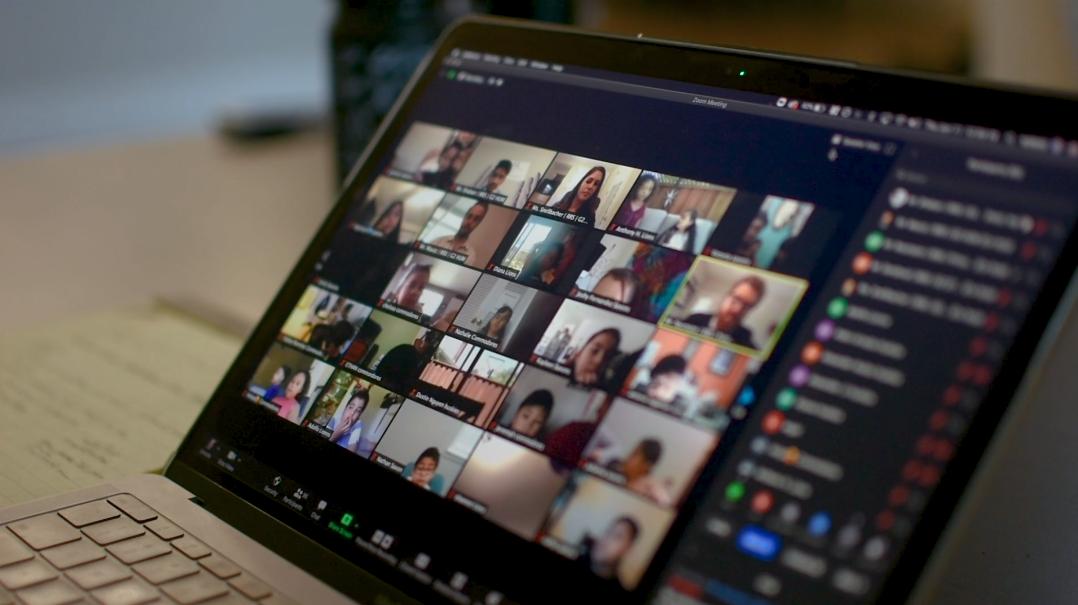
This virtual school year, our students interact with more media than ever before. Students are now logged on devices for 6+ hours per day for school. Game and social media companies gear vast amounts of content towards children on a daily basis, so even when students aren’t learning in a school environment, many still love to be in front of their screens. All that time leads to endless opportunities to soak up content.
It felt critical to make sure my students understood the way our digital world works. My students have engaged in physical, real-life classroom communities in the past. They knew the typical recess rules. Now, the rules might not apply the same way. Recess could now mean students stealing a quick game of Fortnite while lunch is prepared by a family member. It could mean calling a cousin or friend via FaceTime. And all of this happens while teachers are away, tending to their own matters.
While I can’t control what happens outside my classroom, I wanted to make sure my students walked away from our lesson with these 3 major ideas in their heads as I guided them through a social-emotional lesson on digital literacy.
[Check out my SEL digital literacy lesson here to help create your own!]
1. We are still a community, even when we’re miles apart from one another.
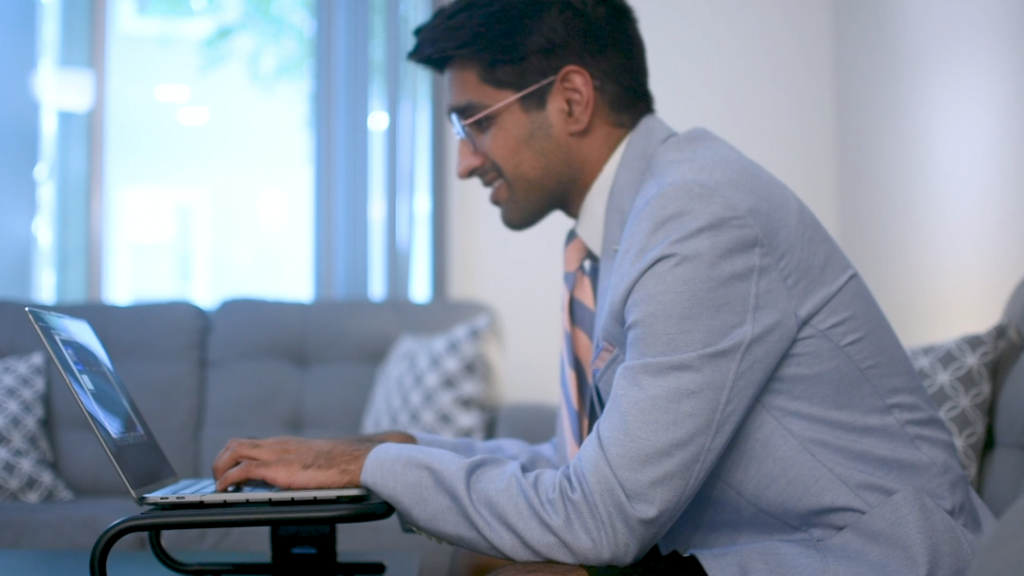
Our discussion began with trying to define the word “community.” We knew a community consisted of a group of people. The question was, could we still be a community even when we weren’t in the same geographic area? I saw students’ shaking their heads “no.” Seeing that response reminded me how important this lesson was.
2. The content we share has power and impacts others.
Our class then read a story of a young girl who posted an anonymous insult on a friend’s Instagram account. The girl in the story didn’t realize the impact she would have. She didn’t think about what would happen when her friend read the phrase, “what a bunch of ugly freaks” on her post. The girl said she meant it as a joke. That didn’t matter. Across the Zoom grid, there were wide eyes and mouths agape. How could someone say that? This immediately led to a discussion of the power of words – on how our words either create or harm our community.
On the internet, words have the potential to live forever. They can travel without any responsibility taken by their owner. They can damage their targets. My students in third grade aren’t active on Instagram, but they are on other platforms such as TikTok, Roblox, and Minecraft. These communities have similar features where people can voice their opinions.
3. We must be wary of what others share with us and how it impacts us.
I taught my students that when we receive a message that is negative in nature, we need to stop what we’re doing in the moment. This is the first step. Afterward, we must think about if it’s actually true. Does the person mean that, and would they say it to your face? Do you believe that about yourself? Why would the person say that – are they trying to feel better about themselves?
As we saw how what we can say has the potential to hurt others, we spent time reflecting on our own experiences online. It’s funny to call our 8 and 9-year old students “veterans” in the virtual world, but they are. Even pre-pandemic, they have engaged in a lifestyle of communication unlike generations prior. We shared (private messages in the chat to the teacher) if we had ever felt hurt by a message. The result was astounding. It’s easy to forget about the sheer amount of touchpoints students make with others online. After the school day, batteries drain on iPads playing Roblox, making FaceTime calls, and much more. With that amount of interactions, negative messages are bound to come up.
At first, I was hesitant to deliver such a personal lesson when I actually couldn’t sit or stand close to my students. As a teacher, it can feel quite difficult to engage students in virtual content. When we had a chance to discuss digital community, messages, and its impact on us, the floodgates opened up. Our chat felt more alive than it ever had. I heard from students who usually took full advantage of the Zoom “mute” feature. Why is that? Discussing our role in our community is personal. It’s important to every student. It’s refreshing in an online classroom.
This lesson led to more discussions in the coming weeks. We discussed how advertisers make us feel, which apps were safe to use, and how we could use the chat feature to empower others. A topic like this helped us connect with families on a deeper level, as well. In our check=ins, we were able to talk about more than merely data points on the latest assessment.
I don’t know if my students will work in digital advertising or marketing in the decades to come. Yet, you don’t need to work in or study the industry to realize its impact on our everyday lives. A 45-second car commercial has the power to influence our thinking and sway our decisions. A comment on an Instagram post has the same, if not more, power. It’s time to make sure our students understand that power.
Published on marzo 22, 2021
Lea más historias sobre: Sin categoría.
En el aula

3 Ways to Build Strong Parent-Teacher Connections
By Jeremiah Davis & Mrs. Aqeel, Rocketship Dream Community Prep | May 15, 2025
Ready to level up your relationships with your families this school year? Listen in for tips from an experienced teacher known for building strong bonds with parents!
Leer más ⟩
Cómo fomentar una mentalidad de crecimiento en el aula
| 10 de abril de 2025
Aprenda a cultivar la reflexión, aceptar los retos y fomentar la perseverancia en usted mismo y en sus alumnos.
Leer más ⟩
Cómo mejorar la cultura escolar
Jeremiah Davis, Paraprofesional, Rocketship Dream Community Prep | 3 de marzo de 2025
¿Listo para elevar la moral en tu colegio? Incorpore estas nueve celebraciones a su curso escolar.
Leer más ⟩
Cómo el coaching en las escuelas mejora los resultados
Escuelas Públicas de Rockesthip | Feb 4, 2025
Descubra cómo el coaching en directo y las sesiones semanales de feedback pueden ayudar a sus profesores a sentirse más respaldados durante todo el año.
Leer más ⟩
Conferencia de padres: consejos para profesores noveles
Jeremiah Davis, Paraprofesional, Rocketship Dream Community Prep | 6 de enero de 2025
¿Busca consejos para la conferencia de padres? Prepárese con los consejos de nuestros educadores.
Leer más ⟩
¿Primer año como profesor? Aquí tienes cinco errores que debes evitar.
Jeremiah Davis, Paraprofesional, Rocketship Dream Community Prep | 1 de noviembre de 2024
Descubre qué errores comete la mayoría de los profesores primerizos y cómo puedes salir adelante este curso escolar con algunos sencillos consejos de un colega educador.
Leer más ⟩
3 sistemas de aula por los que juran los nuevos profesores
Escuelas Públicas Rocketship | 30 de septiembre de 2024
Como profesor primerizo, establecer un entorno de clase fluido y productivo puede resultar un poco abrumador. Por suerte, estas sencillas estrategias pueden ayudar mucho.
Leer más ⟩
Cómo la colaboración entre profesores puede beneficiar a su clase
Presentación de Alejandra Chávez, especialista en educación de la escuela primaria Rocketship Mosaic | 10 de junio de 2024
Escuche a la Sra. Aly hablar de cómo un pequeño equipo de educadores puede marcar una gran diferencia en los resultados de los estudiantes mediante una planificación cuidadosa, una colaboración centrada y adaptaciones personalizadas. La Sra. Aly fue una de nuestras educadoras con mejores resultados en California en el curso 23-24.
Leer más ⟩
Apoyo a los padres de alumnos multilingües en las reuniones familia-profesor
Emma Volpe, Academia Rocketship United | 1 de junio de 2022
Obtenga reflexiones sobre cómo crear un entorno más integrador para las reuniones entre familias y profesores.
Leer más ⟩
5 maneras de fortalecer las relaciones en el aula
James Cross, Subdirector, Rocketship Nashville Northeast Elementary | 20 de febrero de 2022
La nueva era de la educación exige un nuevo nivel de conexión. Aquí tienes algunos consejos clave para fortalecer las relaciones en tu aula este curso escolar.
Leer más ⟩
5 formas en que los directores de centro pueden orientar y apoyar a los profesores
Eesir Kaur, Directora de Desarrollo Profesional | 15 de octubre de 2020
¿Es usted el director de un centro de enseñanza y quiere formar a sus profesores de forma más eficaz? Esto es lo que nos funciona a nosotros.
Leer más ⟩
 Español de México
  English
  Tiếng Việt